

WHAT YOU'LL GAIN:
- Identify critical assets requiring urgent inspection
- Detect abnormal heat signatures early
- Receive immediate expert thermal findings onsite
- Transparent quotation based on your actual site scope
- Non-contact inspection with zero disruption to operations
Suitable For:
- Commercial Buildings
- Industrial Plants
- Data Centres
- Hotels & Hospitality
- Hospitals & Healthcare Facilities
- Residential Developments
- Warehouses & Logistics Sites
- M&E Service Providers
Schedule FREE Thermal Assessment!

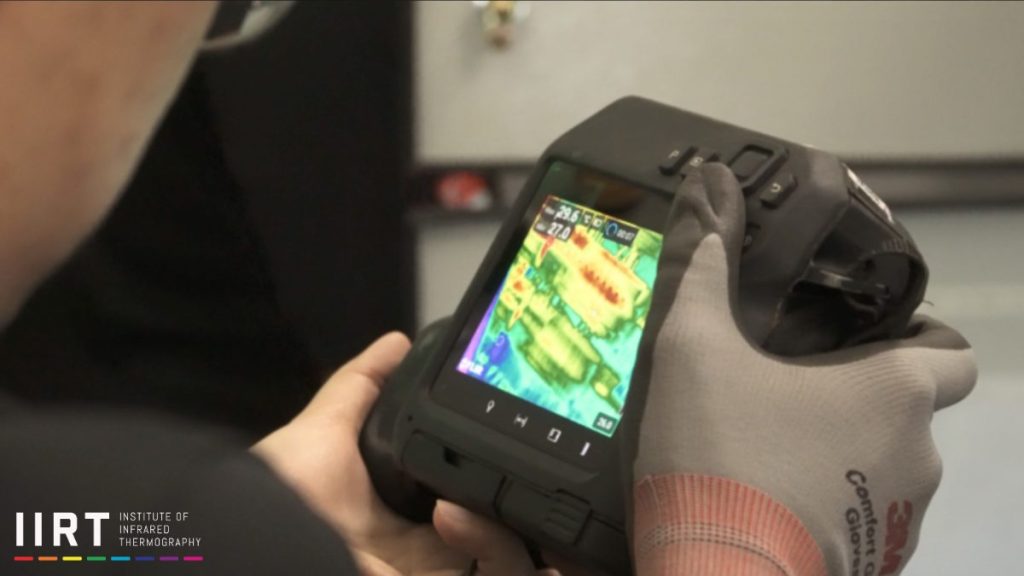
POWERED BY

OFFICIAL CERTIFICATION BY
INSTITUTE OF INFRARED THERMOGRAPHY
TRUSTED BY


















PROMOTES SAFETY, MINIMIZES FIRE HAZARDS
ENHANCES RELIABILITY & PRODUCTIVITY TO ENTIRE OPERATIONS
optimum system performance with no disruption
building/preventive maintenance
passive savingd on reduced downtime
predictive maintenance
MOST COMMON M&E FAULTS WE DETECT
- Loose or deteriorated connections;
- Oxidised or contaminated contact surfaces;
- Short circuits, underrated device, undersized cables;
- Phase load imbalance, overload;
- Insufficient clearance;
- Improperly installed or failed components.
- Excessive Frictional heating caused by misalignment;
- Under or over lubrication, bearing wear, or unbalanced loading conditions;
- Increased electrical resistance, decreased cooling fluid levels or airflow;
- Issues relating to current flow.
- Loose or inadequately torqued screws, bolts, or nuts;
- Over-tightened fasteners causing mechanical stress;
- Elevated contact resistance due to oxidation or corrosion;
- Damaged or improperly crimped terminations;
- Reduced or broken conductor strands;
- Incomplete, misaligned conductor-to-terminal contact;
- Use of poor-quality or incompatible cable lugs;
- Deficient workmanship or improper crimping methods.


what we inspect
UPS Battery cable
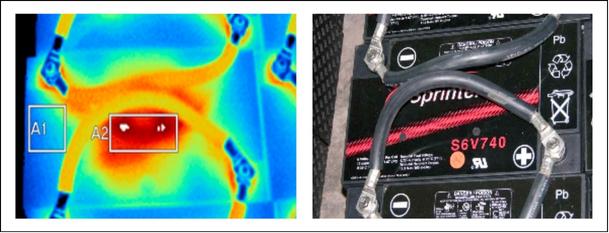
MCB (Mini Circuit Breaker)

Transformer

Motor Pump
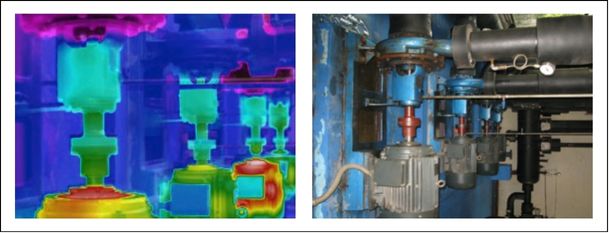
MCCB (Molded Case Circuit Breaker)

Capacitor Bank
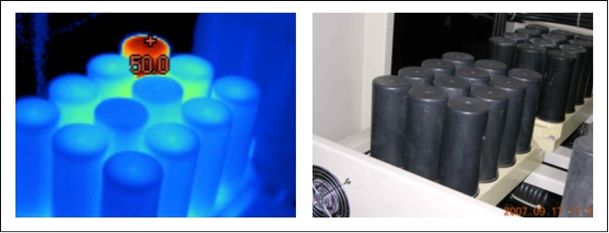
Incoming HV cable

Induction Effect

Water Leakage
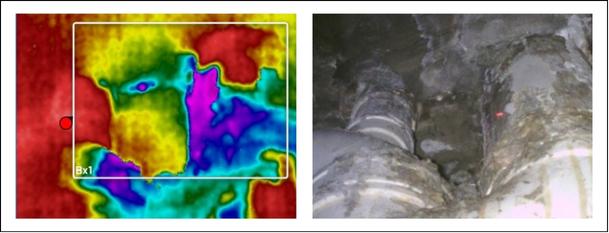
Ceiling Spalling

Building Facade
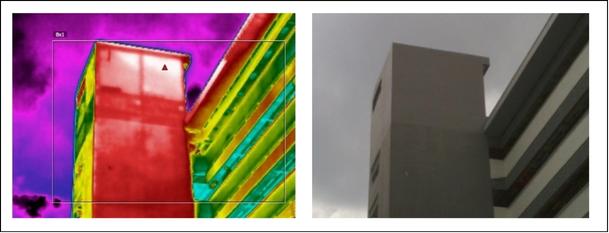
Click to Expand
- Switchboard, Distribution Panel, Circuit Breaker
- Busbar, Electrical Riser
- Generator, Transformer
- Cable, Joint, Terminal Block
- Battery Bank, Capacitor Bank
- UPS Battery Partial Discharge Test
- EV Battery Test
- Commissioning, Full Load Test
- Annual Maintenance Shutdown
- Asset Handover Verification
- Root Cause Failure Investigation
- Data Center Critical Environment
HVAC AHU, Pump, Fan, Motor, Compressor
Low Speed Equipment, Conveyors
Fuel, Gas, Lubrication Inspection
High Temperature Refractory Insulation
- Aging M&E Systems, Insulation Defect Check
- Built Environment, Industrial, Commercial Infrastructures
- Building Envelope, Facade Inspection
- Wall, Ceiling, Toilet, Moisture Ingress, Water Leakage
- Private Condo, HDB Residential Water Ponding Test
- Cracked Cells, Modules, Interconnections, Junction Boxes
- Strings, Combiner Boxes, Terminations
- DC Connectors, Wiring, Cabling Routes, Diodes
- Inverters, Fuses, Balance-Of-System Components
- Low-Light, Low-Visibility Environments
- Confined Spaces
OUR 3-STEP INFRARED INSPECTION PROCESS

Click to Expand
Understand your system before inspection begins.
- Site walkthrough
- Preliminary thermal checks
- Risk identification
- Scope planning


Comprehensive fault detection under real operating conditions.
- Live scanning under load
- Comparative analysis
- Severity classification
- Immediate findings briefing

- Detailed report within 7 working days
- Thermal and visual images
- Temperature findings
- Root cause observations
- Recommended corrective actions
- Optional re-scan after rectification

Conducted in compliance with International Thermography Standards, including:
- ASTM E1934-99A (American Society for Testing and Materials): Standard Guide for Examining Electrical and Mechanical Equipment with Infrared Thermography.
- ASNT SNT-TC-1A (American Society for Nondestructive Testing): Personnel Qualification and Certification in NDT.
- ISO 18436-7: Condition Monitoring & Diagnostics (Requirements for Thermography).
- Singapore Standards TR119: Qualitative Inspection of Building Facade using Infrared Thermography (IRT).
- Singapore Standards 638: Code of Practice for Electrical Installations.
PROVEN EXPERIENCE YOU CAN RELY ON
YEARS COMBINED THERMOGRAPHY EXPERIENCE
0
SITES INSPECTED WORLDWIDE
0
HOURS OF THERMAL SCANNING CONDUCTED
0
INSPECTION TEAM CREDENTIALS
- Conducted by Certified Level-2 and Level-3 Thermographers
- Assessed by Facade Inspectors (PFI)
- Reports Endorsed by Licensed Electrical Worker (LEW Grade 8)
Professional Thermal equipment used
FLIR T530 Professional Thermal Camera
- Infrared Resolution: 320 × 240 (76,800 pixels)
- Thermal Sensitivity (NETD): < 30 mK, 42° @ +30°C
- Accuracy: ±2°C or ±2% of reading

Free Site Assessment Limited Availability
- ONLY 4 SITE SLOTS AVAILABLE EACH MONTH
- MINIMUM 1 WEEK ADVANCE BOOKING REQUIRED
- SINGAPORE ONSITE AVAILABILITY ONLY
(Overseas sites via virtual consultation)
BOOK YOUR FREE SITE ASSESSMENT TODAY
FREQUENTLY ASKED QUESTIONS
Click to Expand
The cost depends on factors such as:
- Number of distribution boards and equipment to be inspected
- Complexity of the electrical installation
- Site access and operating load conditions
We offer a FREE Thermography Site Assessment to assess your facility and provide an accurate, transparent, site-specific quotation — instead of using generic or inflated day-rate pricing.
Infrared thermography is important in Singapore because it supports electrical safety, helps prevent fire risks, and improves the reliability of critical facilities. Due to Singapore’s warm and humid environment, electrical systems may experience higher heat stress and faster deterioration, making thermal scanning an important part of preventive maintenance.
It helps to:
- Detect hidden early signs of electrical failure quickly
- Pinpoint faulty components more accurately
- Avoid expensive emergency repairs and unexpected downtime
- Support building fire safety, OSHA, EHS, and insurance audit requirements
- Extend the healthy operating lifespan of equipment
- Reduce unnecessary manpower deployment
- Improve preventive maintenance planning
- Increase productivity and support energy savings
- Carry out inspections without shutdown, contact, or disruptio
Infrared inspection, also known as thermal imaging inspection or thermal scanning, is a Non-Destructive Testing (NDT) method used for Condition Monitoring (CM), preventive maintenance (PM), and predictive maintenance (PdM).
It is:
- Performed safely on live equipment without physical contact
- Conducted without the need for shutdowns or operational disruption
- Used to measure surface temperatures with infrared thermal cameras
- Able to detect abnormal heat patterns before equipment failure occurs
Your facility may require an infrared inspection if you experience:
- Frequent electrical tripping, unusual heat, or load imbalance
- Electrical systems that are more than 10 years old
- Critical operations where uptime is important
- Insurance, audit, or compliance requirements
- Preventive maintenance plans focused on reducing risk
The typical inspection duration is:
- Small buildings: 1–2 hours
- Commercial facilities: 2–5 hours
- Industrial plants or data centres: half a day to one full day
The actual time required depends on the number of assets, site access arrangements, and load conditions during inspection.
Before scheduling the inspection, it is useful to prepare:
- Asset list or Single-Line Diagram (SLD)
- Number of distribution boards, risers, UPS units, and transformers
- Details of critical loads or restricted access areas
- Preferred inspection timing, such as normal load or peak load period
- Safe and clear access to electrical panels
Suggested inspection frequency:
- Once a year for commercial or industrial facilities
- Every quarter for high-risk or mission-critical facilities, such as data centres and hospitals
- Before major handover or commissioning works
- According to your preventive maintenance or shutdown schedule
According to Singapore Standards TR119, a Qualified Thermographer should hold at least a Level-2 Infrared Certification and have the relevant technical competence for the assets being inspected.
Only a Qualified Thermographer should carry out the inspection, analyse the findings, and prepare the official thermography report.
You will receive a detailed thermographic report endorsed by LEW, which includes:
- Thermal and visual images
- Temperature readings and severity assessment criteria
- Suspected root-cause analysis
- Recommended corrective actions
- Report delivery within 7 working days
A follow-up re-scan is recommended:
- Right after corrective works are completed to verify the repair
- Every quarter for mission-critical systems
- More often if faults keep recurring or load conditions change

